As the UAE National Day approaches, Service My Car is offering exciting deals for car owners across the UAE. From Novemb...

HomeBlog Engine Locked Up or Seized? Causes, Symptoms and What to Do

Offer Applicable to Dubai & Abu Dhabi Customers
Additional Charges Applicable to other Emirates
An engine locked up or seized engine means the engine's internal moving parts can no longer rotate normally. The most common causes include severe lack of lubrication, low oil pressure, overheating, internal mechanical failure or water entering the cylinders. If your engine suddenly stops and will not crank, do not keep trying to start it. Further attempts may increase the damage.
ServiceMyCar helps UAE drivers understand serious engine problems and arrange professional inspection and repair when a vehicle develops symptoms of an engine seizure or lock-up.
A locked engine is an engine that cannot rotate normally. In many cases, the term engine seized refers to internal components becoming stuck because of severe friction, heat or mechanical damage.
The engine contains many moving parts, including pistons, connecting rods, crankshaft and camshaft. Engine oil creates a lubricating film between these components and helps control heat. If lubrication is lost, metal-to-metal contact can create excessive friction and heat, potentially causing components to wear, deform or seize.
However, not every engine that will not start is seized. A weak battery, failed starter motor, electrical fault or fuel problem can also prevent an engine from starting.
That distinction is important.
| Cause |
What happens |
Common warning signs |
|
Low engine oil |
Moving components lose lubrication | Oil warning light, knocking, overheating |
|
Low oil pressure |
Oil does not reach critical engine parts properly |
Oil-pressure warning, unusual engine noise |
|
Oil pump failure |
Oil circulation is reduced or lost |
Low oil pressure, ticking or knocking |
|
Severe overheating |
Excessive heat can damage internal components |
Steam, high temperature, loss of power |
|
Internal component failure |
A broken part can stop the engine from rotating |
Loud mechanical noise, sudden shutdown |
| Hydro-lock |
Liquid enters a cylinder and prevents normal piston movement |
Sudden stall, no-crank condition |
| Long-term neglect |
Wear and lubrication problems accumulate |
Increasing noise, oil consumption, poor performance |
These causes can produce similar symptoms, so a proper diagnosis is necessary before concluding that the engine is completely seized.
One of the biggest risks to an engine is inadequate lubrication.
Engine oil reduces friction between moving components and also helps carry heat away from areas that coolant cannot directly protect. If the oil level becomes dangerously low, internal parts can operate with insufficient lubrication.
A low oil level can result from:
If the oil-pressure warning light comes on while driving, do not assume the vehicle can safely continue. Low oil pressure can cause serious engine damage, and AAA advises stopping as soon as safely possible and having the vehicle inspected if the warning persists.
Having enough oil in the engine does not necessarily mean the engine is receiving enough lubrication.
The oil pump circulates oil through the engine. If the pump fails or oil circulation becomes restricted, critical components may not receive the oil they need.
A blocked oil passage, restricted filter or other lubrication-system fault can also reduce oil flow.
This is why simply adding more oil is not always the solution. If the underlying problem is low oil pressure, the vehicle needs proper diagnosis.
Another major cause of serious engine damage is overheating.
A vehicle can overheat because of low coolant, a coolant leak, a failed thermostat, damaged radiator, water-pump problem, cooling-fan fault or other cooling-system issue. Low engine oil can also contribute to overheating because oil helps reduce friction and manage heat.
Warning signs can include:
If your car is overheating, pull over safely and switch the engine off. Continuing to drive an overheating vehicle can turn a cooling-system problem into major engine damage.
Sometimes an engine locks because an internal component has failed.
Possible examples include damaged bearings, broken connecting rods, piston damage or other mechanical failures. The exact failure can only be determined after inspection.
A sudden loud knocking or grinding noise followed by engine shutdown is particularly concerning.
If the engine suddenly stops after a severe mechanical noise, do not repeatedly turn the key or press the starter button. Have the vehicle inspected or towed.
Also Read: A Detailed Analysis of Hydro Lock Inside Your Car Engine
A hydro-locked engine is different from a conventional engine seizure.
An engine cylinder is designed to compress an air-fuel mixture. Liquid such as water does not compress in the same way. If enough water enters a cylinder, the piston may be unable to complete its normal movement.
This can happen after driving through deep standing water, depending on the vehicle and circumstances.
The amount of damage can vary. An engine that hydro-locks at higher engine speed can suffer severe internal damage.
If a vehicle suddenly stalls after driving through deep water and then refuses to crank normally, do not keep trying to start it.
There is no single sound that proves an engine is seized.
Depending on what happened before the failure, you might hear:
An important point is that a clicking noise does not automatically mean the engine is seized. A weak battery, bad starter or electrical problem can produce similar symptoms.
Diagnosis is therefore more reliable than sound alone.
Common symptoms include:
You turn the key or press the start button, but the engine does not rotate normally.
A severe mechanical failure or lubrication problem can cause an engine to stop abruptly.
An oil-pressure or temperature warning before the engine stops can provide an important clue about what happened.
Knocking, grinding or severe ticking before shutdown can indicate mechanical or lubrication problems.
If the battery and starter system are functioning but the crankshaft cannot rotate, a mechanical lock-up becomes more likely.
However, these symptoms do not prove that an engine is seized. A qualified technician needs to distinguish a mechanical seizure from an electrical or starting-system fault.
If your car will not start, check the symptoms before assuming the engine is seized.
Consider:
A mechanic may perform electrical checks, inspect fluid levels, scan the vehicle for fault codes and determine whether the engine can be rotated mechanically.
This approach helps avoid an expensive mistake: replacing or rebuilding an engine when the actual problem is a starter, battery or electrical fault.
| Term |
Meaning |
Typical situation |
| Engine seized | Internal engine components have become mechanically stuck | Severe lubrication loss, overheating or mechanical failure |
| Engine locked |
The engine cannot rotate normally |
Can describe seizure or another condition preventing rotation |
| Hydro-locked engine |
Liquid in a cylinder prevents normal piston movement |
Water ingestion or another liquid entering the cylinder |
| No-start condition |
Engine does not start |
Could be battery, fuel, ignition, starter or engine-related |
In everyday conversation, “engine seized” and “engine locked up” are often used interchangeably. Technically, however, the reason the engine cannot rotate matters.
An engine seized after an oil change is not necessarily caused by the oil change itself.
If an engine fails shortly after an oil service, the vehicle should be inspected carefully rather than assuming the oil change caused the seizure.
Possible factors may include:
The timing of a failure is important, but it does not by itself establish the cause.
Also Read: Consider These Few Points To Determine Your Engine Overhauling
You cannot prevent every engine failure, but good maintenance can greatly reduce avoidable risks.
Monitor the oil level according to the vehicle manufacturer's instructions and use the correct specification.
An oil-pressure or overheating warning deserves immediate attention. Continuing to drive with a serious warning can result in extensive damage.
Keep the cooling system in good condition and address coolant leaks, overheating and temperature fluctuations promptly.
Regular maintenance can identify oil leaks, worn components and cooling-system problems before they become major failures.
A new knocking, grinding or persistent ticking sound should not simply be ignored.
Water ingestion can potentially cause hydro-lock and severe engine damage.
If you believe your engine has seized or locked up, do not repeatedly try to start it.
Instead:
If the engine has suffered a genuine seizure, continuing to crank it is unlikely to solve the underlying problem.
ServiceMyCar can help arrange professional inspection and repair support when your vehicle develops serious engine symptoms. Early diagnosis is especially important when the warning signs involve low oil pressure, overheating or sudden loss of engine power.
Get the vehicle inspected promptly if:
A serious engine problem is not something to diagnose by repeatedly attempting to start the car.
If your engine has locked up, seized, or developed serious symptoms such as knocking, overheating, low oil pressure, or sudden loss of power, professional car engine repair is important. A technician can inspect the engine, identify the underlying cause, and determine whether the problem can be repaired or requires more extensive engine work.
Choosing a reliable car repair service can also help prevent unnecessary repairs by first checking related components such as the battery, starter, lubrication system, and cooling system. Proper diagnosis is especially important because a vehicle that will not start is not always suffering from an engine seizure.
If your car shows signs of serious engine trouble, avoid repeated starting attempts and arrange a professional inspection as soon as possible. Early car service can help identify the problem before further damage occurs and give you a clearer understanding of the repair options available.
An engine locked up or engine seized condition is a serious problem, but a car that will not start is not automatically suffering from a seized engine. Battery, starter and electrical faults can produce similar symptoms. The most useful clues are what happened immediately before the failure, such as overheating, low oil pressure, unusual engine noise or water exposure.
If your vehicle shows these warning signs, avoid repeated starting attempts and arrange a proper inspection. Professional car engine repair service can help identify whether the issue is related to the engine, lubrication system, cooling system or another component before you commit to major repairs. ServiceMyCar can help you get the vehicle checked and determine the appropriate repair options.
An engine is described as seized when its internal components can no longer rotate normally, usually because of severe mechanical damage, inadequate lubrication, overheating or another condition that prevents normal movement.
Common causes include very low engine oil, loss of oil pressure, poor lubrication, severe overheating and internal mechanical failure. Hydro-lock can also prevent an engine from rotating normally.
There is no single sound. A locked engine may produce a click from the starter, a heavy clunk or no normal cranking sound. Knocking or grinding before the engine stops can indicate serious internal damage.
A vehicle may have a locked engine if it will not crank despite a healthy battery and starting system, particularly if it previously experienced overheating, low oil pressure, severe mechanical noise or water ingestion. A technician should confirm the diagnosis.
The engine can no longer rotate normally, so the vehicle will not operate. Depending on the cause and damage, the repair may involve replacing damaged components, rebuilding the engine or replacing the engine assembly.
Yes. Severe overheating can cause extensive internal engine damage and, in some cases, contribute to seizure. Warning signs such as steam, a temperature gauge in the red zone or loss of engine power should be treated seriously.
Yes. Insufficient engine oil can reduce lubrication, increase friction and heat, and damage internal components. In severe cases, this can contribute to engine seizure.
Follow the manufacturer's maintenance schedule, maintain the correct engine oil level, address oil-pressure and overheating warnings immediately, repair leaks and investigate unusual engine noises before they become serious problems.



As the UAE National Day approaches, Service My Car is offering exciting deals for car owners across the UAE. From Novemb...

Diwali, the festival of lights, is all about joy, celebration, and giving. This year, why not celebrate by taking care o...

Handling car upkeep can be tough with a busy schedule. Between your job, family needs, and running errands, spending tim...
Driving in the UAE isn't easy. The high temperatures, constant dust, and long drives can take a toll on your car. Modern...
Cars in the UAE deal with harsh conditions. They endure extreme heat, frequent sandstorms, busy traffic, and long trips ...
Driving in the UAE's heat isn't easy, but few things are worse than your vehicle overheating while you're stuck in traff...
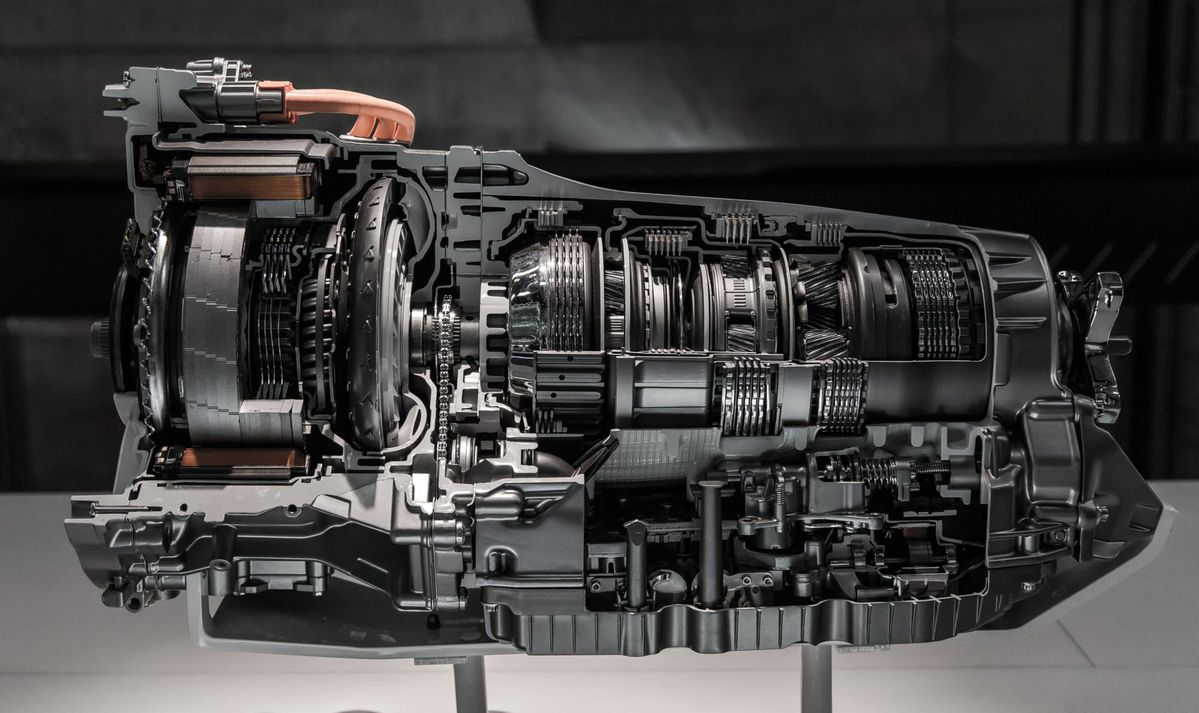
Your car's transmission plays a big role in how it runs. It links the engine to the wheels so you can drive at all speed...

Bentley represents British engineering at its finest showcasing luxury, power, and detailed craftsmanship. Still, like a...

The Audi Q8 combines strong performance, premium comfort and advanced technology, but its complex systems can develop pr...

Stay informed about the UAE’s latest car registration and ownership laws. From digital ownership transfers to mandator...


 Call Us
whatsapp
Call Us
whatsapp
 +971
+971
