As the UAE National Day approaches, Service My Car is offering exciting deals for car owners across the UAE. From Novemb...

HomeBlog Why Your Car Won’t Go Into Gear: Common Causes and Solutions

Offer Applicable to Dubai & Abu Dhabi Customers
Additional Charges Applicable to other Emirates
If your car won't go into gear, the cause could be something relatively simple, such as low transmission fluid or a stuck shift interlock, or something more serious involving the clutch, transmission, solenoids or internal components. The right diagnosis depends on whether the gear selector will not move, the gear engages but the car does not move, or the transmission refuses to shift while driving.
ServiceMyCar helps drivers understand common car problems and find the right repair or inspection when a vehicle develops transmission or gear-shifting issues.
A car may not go into gear because of a low or contaminated transmission fluid level, clutch problem, faulty shift linkage, failed shift interlock, damaged transmission solenoid, sensor or electrical fault, torque converter problem, or internal transmission wear.
The symptoms are important. For example, if the gear lever will not move out of Park, the problem may be related to the brake switch or shift-lock system. If Drive or Reverse selects normally but the car does not move, the problem may be deeper inside the transmission.
|
Possible cause |
What you may notice |
More common with |
|
Low or contaminated transmission fluid |
Delayed, harsh or slipping shifts |
Automatic |
|
Shift interlock problem |
Gear selector stuck in Park |
Automatic |
| Clutch problem |
Difficulty selecting gears, grinding |
Manual |
| Shift cable or linkage fault | Lever moves but transmission does not respond correctly | Manual & automatic |
|
Faulty solenoid or sensor |
Missing gears, limp mode or erratic shifting |
Automatic |
| Torque converter fault |
Delayed engagement, slipping or stalling |
Automatic |
| Worn clutch packs |
Engine revs but car barely moves |
Automatic |
|
Internal transmission damage |
Multiple gears fail or vehicle will not move |
Manual & automatic |
These symptoms can overlap, so the table should be treated as a starting point rather than a diagnosis.
Automatic transmissions depend on transmission fluid for lubrication, cooling and hydraulic operation. If the fluid level becomes too low because of a leak, the transmission may struggle to build the pressure needed for normal gear engagement.
Old, contaminated or overheated fluid can also contribute to poor shifting.
You may notice:
Not every transmission uses a conventional dipstick, and some manufacturers specify a particular procedure for checking fluid level. Do not simply add fluid without confirming the correct fluid type and level procedure for your vehicle.
If the gear shift won't move, the transmission itself may not be the problem.
Automatic vehicles use a shift-interlock system designed to prevent the selector from being moved out of Park unless certain conditions are met, normally including pressing the brake pedal.
A failed brake-light switch, shift-lock solenoid, wiring fault or related electrical problem can prevent the selector from moving.
If the selector is physically stuck in Park, avoid forcing it. Consult the vehicle owner's manual for the manufacturer's approved shift-lock release procedure.
Also Read: Here Are The Top Reasons Why Your Car's Engine Stalls While Driving
For a manual transmission, a clutch that does not disengage properly can make it difficult or impossible to select gears while the engine is running.
Possible signs include:
A hydraulic leak involving the clutch master or slave cylinder can also prevent the clutch from operating correctly.
If your car won't go into first gear, do not repeatedly force the gear lever. Continuing to drive with a clutch or hydraulic problem can cause additional damage.
The gear selector has to communicate with the transmission. Depending on the vehicle, this may involve cables, rods, linkage or electronic controls.
If the linkage becomes worn, disconnected or damaged, the selector may move without properly selecting the requested gear.
For example, you may notice that:
This can make it feel as though the gears are not working on the car, when the actual problem may be the mechanism connecting the selector to the transmission.
Modern automatic transmissions use electronic controls to determine when and how gears should change.
A failed solenoid, speed sensor, wiring connection or transmission control module can cause symptoms such as:
For example, an automatic transmission not shifting into high gear does not automatically mean the entire gearbox needs replacement. A technician may need to check fault codes, sensor signals, solenoid operation and transmission fluid condition before deciding on a repair.
A torque converter transfers engine power to an automatic transmission and allows the engine to continue running while the vehicle is stopped.
When it develops a serious fault, you may experience:
A torque converter issue requires proper diagnosis because similar symptoms can be caused by other transmission components.
Sometimes the problem is inside the gearbox itself.
Automatic transmissions contain multiple components that work together to transfer engine power. Depending on the design, worn clutch packs, valve-body problems, hydraulic faults or other internal damage can prevent proper gear engagement.
One warning sign is when the car is not moving in gear even though the selector shows Drive or Reverse.
If the engine revs but the vehicle barely moves, or does not move at all, avoid continuing to accelerate in an attempt to make it engage. Further driving can potentially worsen an existing transmission fault.
If your automatic car starts normally but refuses to change gears, consider these possibilities:
1. Low or degraded transmission fluid: The transmission may not maintain the hydraulic pressure required for normal operation.
2. Electrical or sensor fault: A faulty speed sensor, solenoid or wiring issue can interfere with gear selection.
3. Transmission control problem: The control system may place the vehicle into a protective or limp mode.
4. Internal wear: Worn clutch packs, valve-body components or other internal parts can affect shifting.
5. Torque converter problem: A damaged converter can cause slipping, delayed engagement or other drivability symptoms.
The exact cause cannot be confirmed from the symptom alone. A diagnostic scan and physical inspection are often needed.
This situation deserves special attention.
If a manual car selects gears with the engine off but refuses to select them when the engine is running, the clutch may not be disengaging completely.
If an automatic car selects Drive or Reverse but the vehicle does not move, possible causes include low fluid, hydraulic pressure problems, worn clutch packs, torque converter issues or internal transmission damage.
In either case, avoid forcing the gear selector. The difference between “the gear cannot be selected” and “the gear selects but the vehicle does not move” is an important diagnostic clue.
Start with the safest basic checks:
Do not crawl underneath a vehicle that is supported only by a jack. Transmission components and moving parts can also become extremely hot.
Some transmission symptoms should not be ignored.
Stop driving and arrange professional assistance if:
Continuing to drive with a major transmission problem can turn a smaller repair into a much more expensive one.
| What is happening? |
Possible area to investigate |
|
Gear selector stuck in Park |
Brake switch, shift interlock or electrical system |
|
Manual gears won't select with engine running |
Clutch or clutch hydraulics |
|
Drive selects but car does not move |
Fluid, hydraulic pressure, clutch packs, torque converter or internal transmission |
|
Car stays in one gear |
Solenoid, sensor, control system or internal fault |
|
First gear is difficult to select |
Clutch, linkage or synchronizer-related issue |
|
Automatic won't shift into higher gears |
Fluid, sensors, solenoids, control system or internal transmission |
| Gear lever moves but transmission does not respond | Shift cable or linkage |
| Engine revs but vehicle barely accelerates | Transmission slipping or power-transfer problem |
This comparison can help you describe the symptom accurately when speaking to a technician.
The transmission is the part of the drivetrain that transfers engine power to the wheels while providing different gear ratios for starting, accelerating and cruising.
A gearbox is commonly used as another name for the transmission, although the exact terminology varies depending on the vehicle and transmission design.
A clutch connects and disconnects engine power from a manual transmission and is also used in different forms inside many automatic transmissions.
A shift interlock is a safety mechanism that prevents an automatic gear selector from being moved out of Park unless the required conditions are met.
Understanding these terms can make it easier to explain what your car is doing when you contact a repair professional.
Also Read: A Detailed Analysis of Hydro Lock Inside Your Car Engine
Transmission problems are not always preventable, but good maintenance can reduce avoidable wear.
Follow the vehicle manufacturer's recommended service schedule and use the correct transmission fluid specified for your vehicle. Pay attention to small changes such as delayed engagement, unusual noises, slipping or harsh shifting instead of waiting until the car stops moving.
In hot climates such as the UAE, the transmission cooling system and fluid condition deserve particular attention because high temperatures and heavy traffic can increase operating stress.
Most importantly, do not ignore a recurring transmission symptom simply because the car still drives.
If your car is having trouble going into gear, the problem may be related to low or contaminated transmission fluid. In some cases, a gearbox oil change in the UAE may help improve gear engagement, while more serious faults may require professional transmission repair.
Look out for signs such as:
If these symptoms continue, have the transmission and gearbox inspected to identify the actual cause. For an automatic car gearbox in the UAE, proper diagnosis is important before deciding whether the vehicle needs a fluid change, repair or replacement.
A car that won't go into gear can have anything from a relatively straightforward control or fluid issue to a major transmission fault. The key is to identify the exact symptom rather than assuming the entire gearbox needs replacement.
If your car is showing delayed engagement, slipping, unusual noises or refusing to move, Service My Car can help you arrange a professional car repair service and vehicle inspection. Getting the problem checked early can help identify the cause and give you a clearer idea of whether the car needs a simple service, transmission repair or more extensive work.
A manual car may have a clutch or hydraulic problem, while an automatic may have a shift-lock, linkage, fluid, electrical or transmission fault. The exact cause depends on whether the gear selector moves and whether the vehicle responds after a gear is selected.
In a manual car, difficulty selecting first gear can be related to clutch disengagement, clutch hydraulics, linkage or internal transmission components. If the problem happens repeatedly, have the vehicle inspected rather than forcing the gear lever.
Low or degraded fluid, faulty sensors, solenoids, electrical problems, control-system faults or internal transmission wear can prevent an automatic from shifting normally.
If Drive engages but the vehicle does not move, possible causes include low transmission fluid, hydraulic pressure problems, worn clutch packs, torque converter faults or internal transmission damage. Professional diagnosis is recommended.
Common causes include fluid problems, worn internal components, faulty solenoids or sensors, electrical faults, linkage problems and clutch-related issues.
A transmission that will not shift into a specific higher gear may have a sensor, solenoid, control-system, fluid or internal component problem. A diagnostic scan can help identify whether an electronic fault is present.
A gear can become stuck because of a shift-lock problem, damaged linkage, clutch or transmission fault, or an electrical issue. If the selector is physically stuck, do not force it.
If the vehicle cannot safely select or maintain a gear, it is better not to drive it. Continuing to operate a vehicle with a serious transmission problem may increase damage and create a safety risk.


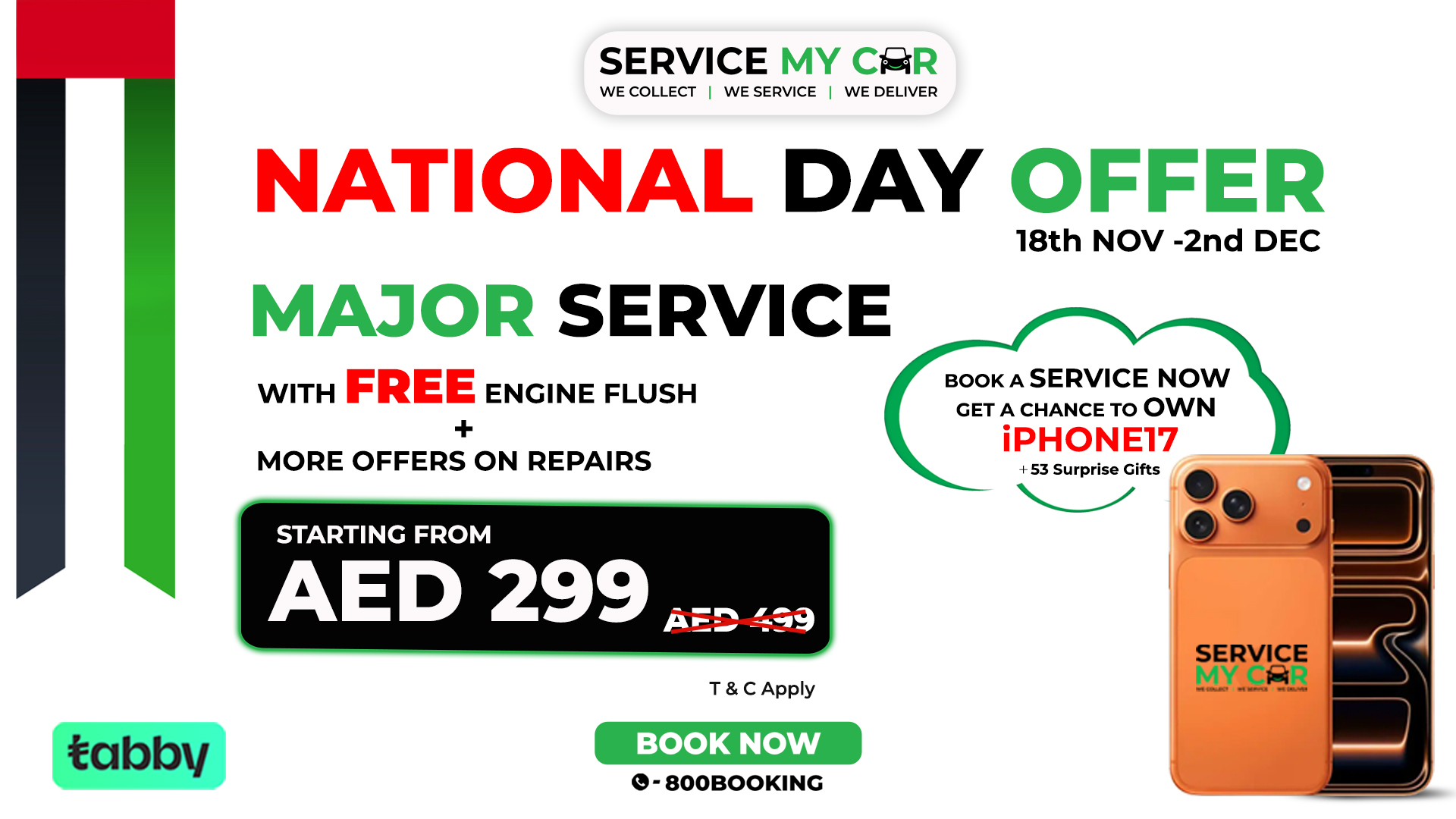
As the UAE National Day approaches, Service My Car is offering exciting deals for car owners across the UAE. From Novemb...

Diwali, the festival of lights, is all about joy, celebration, and giving. This year, why not celebrate by taking care o...
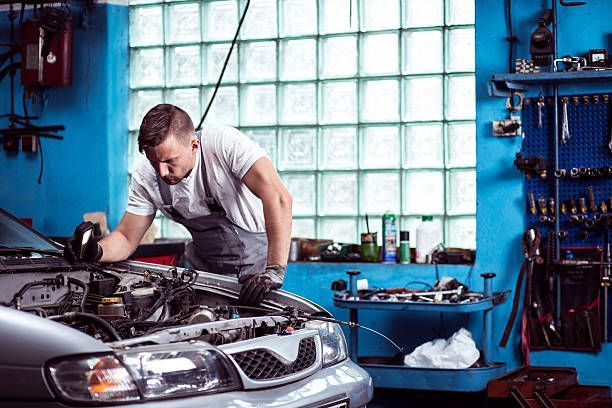
Handling car upkeep can be tough with a busy schedule. Between your job, family needs, and running errands, spending tim...
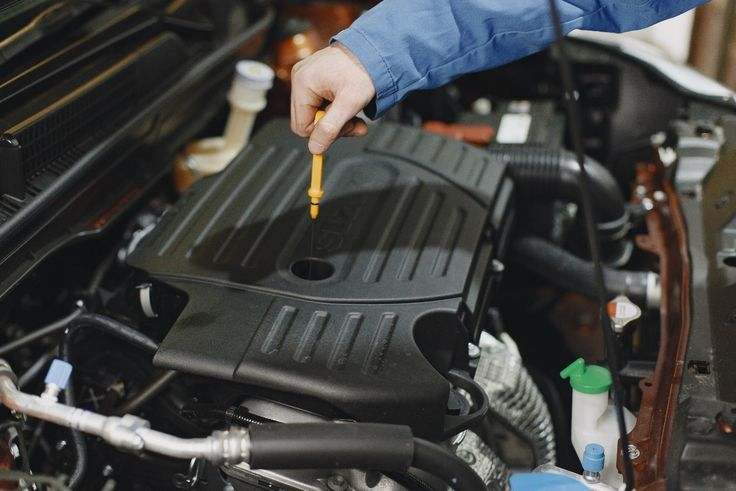
Driving in the UAE isn't easy. The high temperatures, constant dust, and long drives can take a toll on your car. Modern...
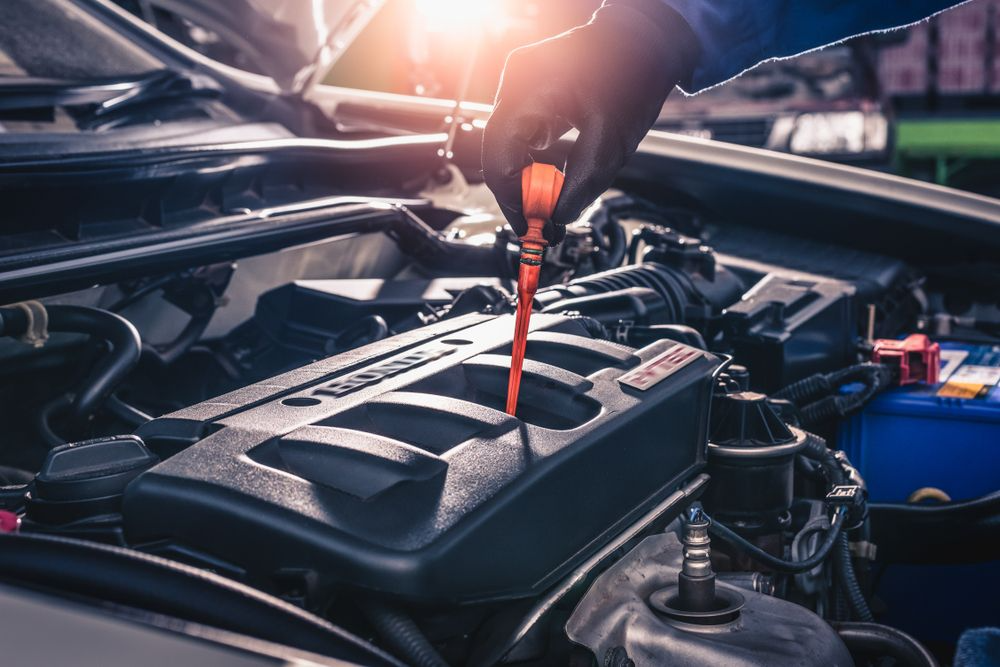
Cars in the UAE deal with harsh conditions. They endure extreme heat, frequent sandstorms, busy traffic, and long trips ...
Driving in the UAE's heat isn't easy, but few things are worse than your vehicle overheating while you're stuck in traff...
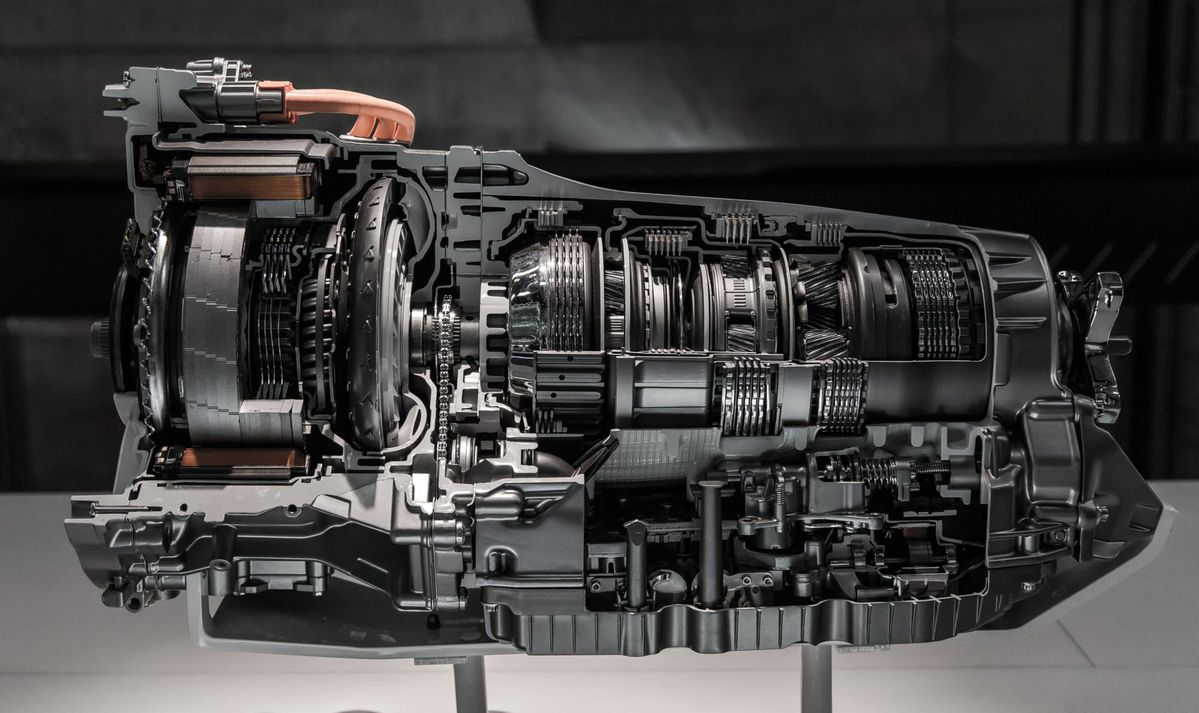
Your car's transmission plays a big role in how it runs. It links the engine to the wheels so you can drive at all speed...
Bentley represents British engineering at its finest showcasing luxury, power, and detailed craftsmanship. Still, like a...

The Audi Q8 combines strong performance, premium comfort and advanced technology, but its complex systems can develop pr...

Stay informed about the UAE’s latest car registration and ownership laws. From digital ownership transfers to mandator...


 Call Us
whatsapp
Call Us
whatsapp
 +971
+971
