As the UAE National Day approaches, Service My Car is offering exciting deals for car owners across the UAE. From Novemb...

HomeBlog Mitsubishi Lancer Common Problems: Engine, Transmission Issues and More

Offer Applicable to Dubai & Abu Dhabi Customers
Additional Charges Applicable to other Emirates
The Mitsubishi Lancer has earned a reputation as a practical and dependable compact car, but age, mileage and maintenance can lead to problems. Service My Car helps owners understand the warning signs before a small fault becomes an expensive repair.
Common Mitsubishi Lancer problems can include engine oil consumption, CVT transmission issues, electrical faults, suspension wear and cooling-system concerns.
Not every Lancer develops the same faults. The condition of the vehicle depends heavily on its model year, engine, transmission type, driving conditions and maintenance history.
For owners searching for Mitsubishi Lancer common issues, the following areas deserve particular attention:
|
Problem area |
Common warning signs |
What should be checked? |
|
Engine |
Oil consumption, rough idle, stalling, loss of power |
Oil level, leaks, ignition system, compression and fault codes |
| CVT transmission | Shuddering, hesitation, whining, delayed acceleration |
Fluid condition, transmission codes, software and internal components |
| Electrical system | Warning lights, faulty windows, sensor problems | Battery, alternator, wiring, fuses and diagnostic codes |
| Suspension | Knocking, vibration, uneven tyre wear | Bushings, struts, ball joints and alignment |
| Cooling system | Overheating, coolant loss, temperature fluctuations | Coolant level, radiator, hoses, thermostat and water pump |
Engine problems are among the issues that owners should not ignore. Some older Lancer vehicles may develop increased oil consumption, rough running or reduced performance as components wear with age.
If you regularly need to add engine oil between services, do not simply treat it as normal for an older car. Oil consumption can have several causes, including worn internal components, valve-seal problems, leaks or other engine faults.
Low oil levels can eventually contribute to increased engine wear. Owners should check the oil level regularly and investigate any noticeable change in consumption.
A Lancer that shakes at idle, struggles to maintain engine speed or occasionally stalls needs proper diagnosis. Possible causes can include ignition faults, air or fuel-delivery problems, sensors or other engine-management components.
A diagnostic scan can help identify stored fault codes, but the code itself does not always mean that the named component needs to be replaced. Proper testing is important.
Overheating should be treated as an urgent issue. Low coolant, a faulty thermostat, radiator problems, a failing water pump or damaged hoses can all contribute to excessive engine temperature.
Continuing to drive an overheating vehicle can turn a relatively manageable cooling-system repair into major engine damage.
Also Read: Most Common Mitsubishi Problems Owners Should Know
Transmission concerns are another important topic for Lancer owners, particularly vehicles equipped with a CVT.
A CVT, or continuously variable transmission, does not use traditional fixed gears in the same way as a conventional automatic transmission. It continuously changes the transmission ratio to keep the engine operating efficiently.
Some Lancer models have documented CVT-related concerns. Mitsubishi issued a technical service bulletin for certain 2008–2009 Lancers concerning a CVT warning lamp and “SLOW DOWN” warning after extended high-speed driving in hot conditions. The bulletin specified a correction involving CVT fluid level and a redesigned fluid-level gauge.
This is particularly relevant for drivers in hot climates, where transmission temperature and fluid condition deserve attention.
Watch for:
These symptoms do not automatically mean the entire transmission needs replacement. Fluid condition, software, sensors, hydraulic controls and internal components should be checked first.
Mitsubishi's technical information also documents a shudder/surge condition involving certain 2016–2017 Lancer models with 2.0L or 2.4L engines and CVT-8 transmissions. The bulletin instructs technicians to diagnose the condition and specifically notes that transmission replacement should only be considered after the required diagnostic process.
It can, but it is important not to label every Lancer as having a gearbox defect.
Searches for terms such as Mitsubishi Lancer gearbox problems, Mitsubishi Lancer transmission problems and Mitsubishi Lancer CVT transmission problems often refer to different model years and transmission types.
A manual gearbox, conventional automatic and CVT should not be treated as the same system. Their symptoms, service requirements and repair procedures are different.
For example, the 2014 Lancer owner's information states that the CVT requires the correct fluid level and specifies Mitsubishi Genuine CVTF-J4 fluid. It also warns against using incorrect transmission fluid or adding unapproved additives.
There is no simple list of Mitsubishi Lancer years that every buyer should automatically avoid.
Terms such as 2004 Mitsubishi Lancer, 2009 Mitsubishi Lancer, 2014 Mitsubishi Lancer, 2016 Mitsubishi Lancer and 2017 Mitsubishi Lancer transmission can lead to very different results because specifications and transmission configurations vary.
Instead of choosing a car based only on its model year, check:
For a used Lancer, a pre-purchase inspection can reveal problems that are difficult to identify during a short test drive.
Good maintenance cannot prevent every mechanical failure, but it can reduce avoidable problems and help identify faults earlier.
Follow the manufacturer's maintenance recommendations for engine oil, filters and transmission service. Use the correct specification of fluid rather than choosing a replacement simply because it is cheaper or widely available.
Pay attention to changes in the way the car drives. A new vibration, unusual noise, hesitation or warning light is useful information for a technician.
This is especially important with an older Mitsubishi Lancer. A small suspension noise may be relatively straightforward to address, while ignoring transmission shudder or an overheating engine can result in much more expensive repairs.
Arrange an inspection if you notice:
A diagnostic scan can be useful, but it should be combined with a physical inspection and test drive where appropriate.
Also Read - Common Issues with Mitsubishi Cars
For someone researching whether a particular Lancer is worth keeping or buying, the main distinction is between normal age-related wear and a major mechanical fault.
Engine oil leaks, worn suspension bushes or ageing sensors may be repairable without major expense. In contrast, severe internal engine damage or confirmed transmission failure can require substantially more work.
That is why the vehicle's actual condition matters more than simply searching for a “best” or “worst” model year.
Regular maintenance can help keep an older Lancer reliable and identify small issues before they become major repairs. Routine checks may include engine oil, battery condition, brakes, suspension, cooling system and transmission. If you notice starting problems, unusual noises, poor acceleration or warning lights, it is better to have the car inspected early.
Depending on the issue, the vehicle may need routine Mitsubishi Lancer service or a specific repair. Simple maintenance such as an oil change, battery check or wheel alignment can help maintain everyday performance, while a Mitsubishi Lancer repair may be needed when a mechanical or electrical fault is confirmed. The right approach depends on the car's model, age, mileage and service history.
The Mitsubishi Lancer can remain a practical car for many years when it is maintained properly, but older vehicles deserve closer attention to the engine, transmission, cooling system, electrical components and suspension. Service My Car can help owners arrange the right Mitsubishi Lancer service or repair when symptoms appear. Instead of waiting for a small warning sign to become a major repair, have the vehicle checked, understand the cause and make a repair decision based on its actual condition.
Commonly reported areas include engine oil consumption, transmission or CVT concerns, electrical faults and suspension wear. The exact risk varies by model year, engine, transmission and maintenance history.
A properly maintained CVT can provide long service, but some Lancer model years have documented CVT-related technical concerns. Shuddering, hesitation or warning lights should be diagnosed rather than ignored.
Common warning signs include shuddering, hesitation, delayed acceleration, unusual whining, abnormal engine revving and transmission warning lights.
Certain 2008–2009 Lancers were covered by a Mitsubishi technical service bulletin concerning CVT warning and overheating-related conditions during extended high-speed driving in hot weather.
Certain 2016 Lancers equipped with the CVT-8 transmission were included in Mitsubishi technical information concerning possible shudder or surge conditions. Diagnosis is required before deciding whether major transmission work is necessary.
There is no single reliable price because cost depends on the model year, transmission type, parts used, labour and whether repair or complete replacement is required. A proper diagnosis should come before requesting a replacement quote.
An older Lancer can still be a reasonable used car if it has a good maintenance history and passes a proper mechanical inspection. Mileage and condition are often more useful than model year alone.
Use the correct transmission fluid, follow the applicable maintenance schedule and investigate shuddering, hesitation or warning lights early. For CVT-equipped models, Mitsubishi's documentation stresses maintaining the correct fluid level and using the specified fluid.



As the UAE National Day approaches, Service My Car is offering exciting deals for car owners across the UAE. From Novemb...

Diwali, the festival of lights, is all about joy, celebration, and giving. This year, why not celebrate by taking care o...

Handling car upkeep can be tough with a busy schedule. Between your job, family needs, and running errands, spending tim...
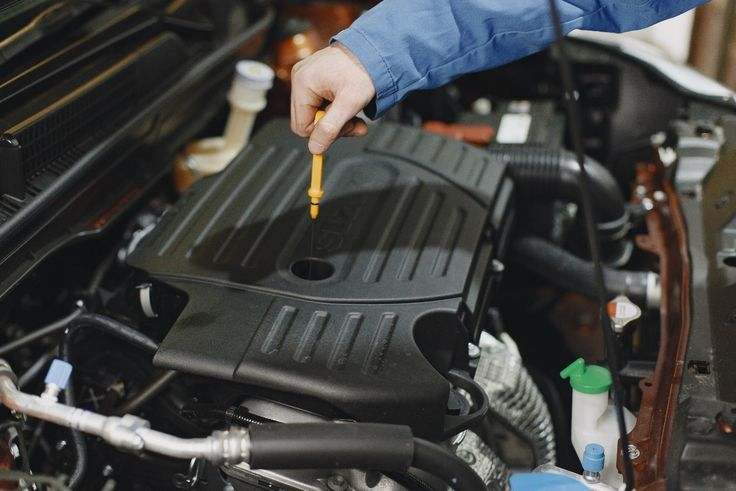
Driving in the UAE isn't easy. The high temperatures, constant dust, and long drives can take a toll on your car. Modern...
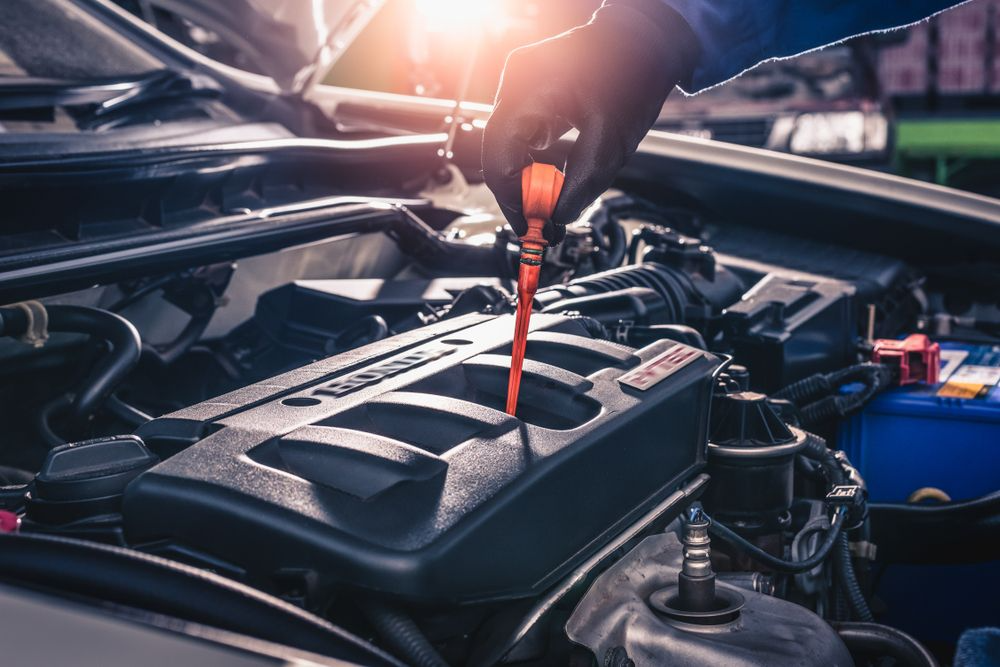
Cars in the UAE deal with harsh conditions. They endure extreme heat, frequent sandstorms, busy traffic, and long trips ...
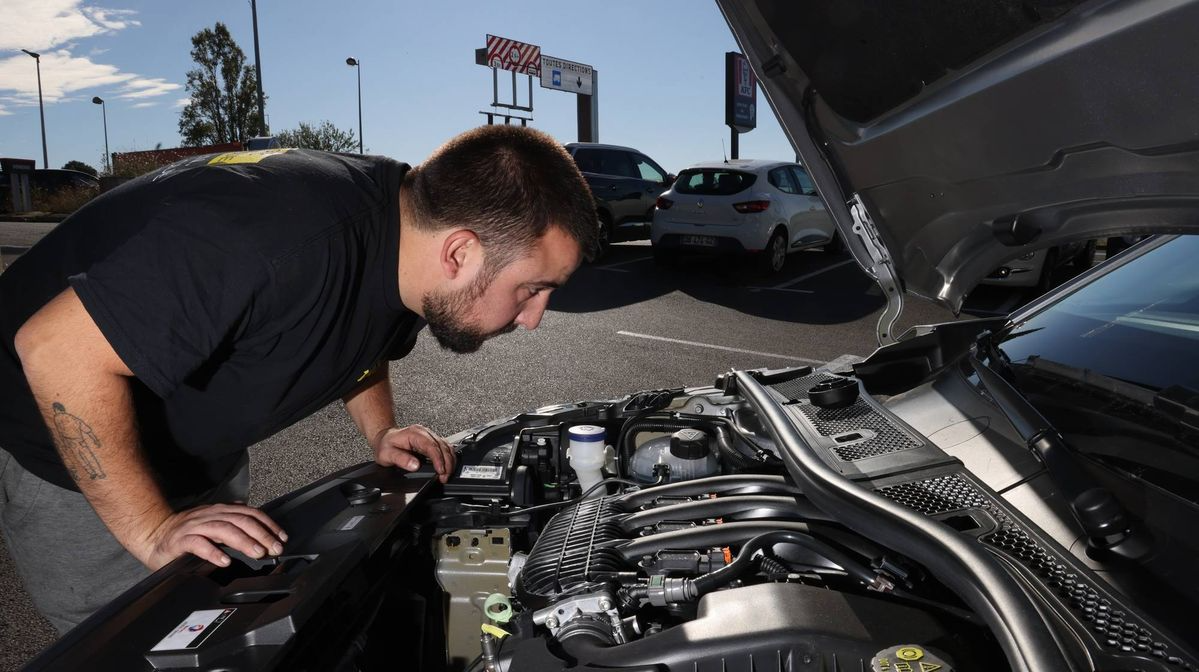
Driving in the UAE's heat isn't easy, but few things are worse than your vehicle overheating while you're stuck in traff...
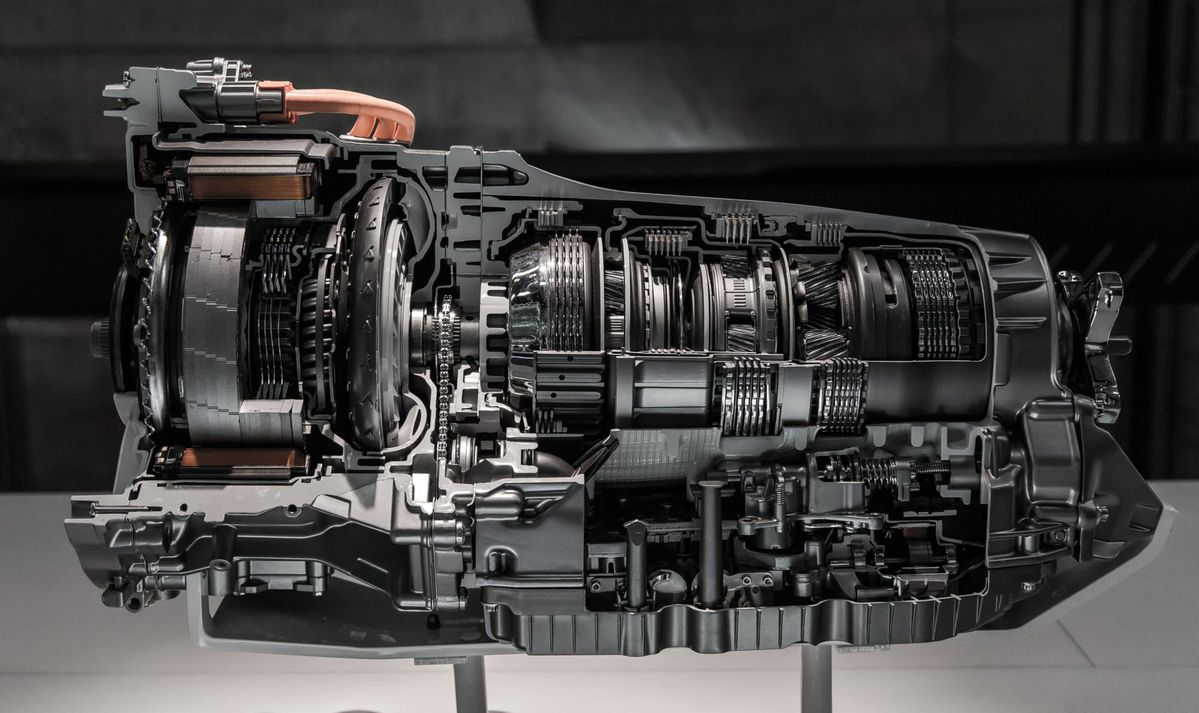
Your car's transmission plays a big role in how it runs. It links the engine to the wheels so you can drive at all speed...

Bentley represents British engineering at its finest showcasing luxury, power, and detailed craftsmanship. Still, like a...

The Audi Q8 combines strong performance, premium comfort and advanced technology, but its complex systems can develop pr...

Stay informed about the UAE’s latest car registration and ownership laws. From digital ownership transfers to mandator...


 Call Us
whatsapp
Call Us
whatsapp
 +971
+971
