As the UAE National Day approaches, Service My Car is offering exciting deals for car owners across the UAE. From Novemb...

HomeBlog The Most Common Mitsubishi Problems Owners Should Know

Offer Applicable to Dubai & Abu Dhabi Customers
Additional Charges Applicable to other Emirates
Mitsubishi vehicles have a reputation for practical engineering, reasonable running costs and dependable everyday performance. However, like any vehicle, they can develop problems as mileage increases or when maintenance is delayed.
Service My Car helps Mitsubishi owners understand common warning signs and find the right Mitsubishi service when their vehicle needs inspection, maintenance or repair.
Yes, Mitsubishi cars can be reliable when properly maintained, but reliability varies by model, model year, engine, transmission and driving conditions. Older vehicles may develop issues involving the CVT, engine oil leaks, suspension, cooling system or electrical components. Some Mitsubishi models have also received technical service information relating to transmission shudder or surge, so unusual driving behaviour should not be ignored.
In other words, asking whether "Mitsubishi is a good car" does not have one simple answer. A well-maintained Outlander, ASX, Lancer or Eclipse Cross can be a dependable vehicle, while a neglected high-mileage example may require considerably more attention.
|
Common problem |
Typical warning signs |
What to check |
|
Transmission/CVT issues |
Shuddering, hesitation, delayed acceleration |
Fluid, diagnostic codes, CVT operation |
|
Engine problems |
Rough running, oil consumption, overheating |
Oil level, leaks, cooling system |
|
Suspension wear |
Knocking, vibration, uneven tyre wear |
Bushes, links, struts and control arms |
|
Electrical faults |
Warning lights, failed accessories |
Battery, alternator, wiring and sensors |
|
Cooling problems |
Rising temperature, coolant loss |
Radiator, hoses, thermostat and coolant |
|
Air-conditioning issues |
Weak cooling or inconsistent temperature |
Refrigerant, compressor and electrical system |
|
Brake wear |
Squealing, vibration or longer stopping distance |
Pads, discs, callipers and brake fluid |
The exact fault depends heavily on the vehicle's age and specification. A problem reported on an older Lancer, for example, should not automatically be assumed to affect a newer Outlander.
Transmission concerns are among the most important issues for owners of Mitsubishi vehicles equipped with a CVT.
A CVT, or continuously variable transmission, uses a pulley-and-belt system rather than conventional fixed gears. It is designed to provide smooth acceleration and efficient engine operation.
Possible warning signs include:
Mitsubishi technical-service documentation has addressed transmission shudder/surge conditions on several models, including certain Lancer, Outlander, Eclipse Cross and Outlander Sport/RVR vehicles. The affected model years and transmission specifications differ, so diagnosis should be based on the vehicle's exact specification rather than assuming every Mitsubishi has the same problem.
Regular transmission inspection and using the correct fluid are particularly important. Mitsubishi maintenance schedules also specify CVT fluid inspection and replacement intervals, with shorter intervals under certain severe-use conditions.
Engine problems can become expensive if warning signs are ignored.
Older Mitsubishi vehicles may develop oil leaks around seals, gaskets or other engine components. Some high-mileage engines can also consume more oil than expected.
Watch for:
Checking the oil level regularly is simple but important. If the level keeps dropping between services, adding oil without finding the reason is not a complete solution. The engine should be inspected for leaks or internal consumption.
Also Read - Common Issues in the Mitsubishi Outlander PHEV
Suspension components naturally wear with age and mileage. UAE roads, high temperatures, speed bumps and frequent driving over uneven surfaces can add to the workload.
Common signs include:
Worn bushes, stabiliser links, control arms, shock absorbers and other components can affect handling as well as comfort. A suspension inspection is especially worthwhile if you notice a new noise or the car no longer feels stable.
Modern Mitsubishi vehicles depend on numerous electronic systems and sensors. A fault does not always mean that a major component has failed.
Possible symptoms include:
A proper electrical diagnosis is preferable to replacing parts based only on the warning light. Battery condition, alternator output, wiring, connectors and stored diagnostic codes should be checked together.
Cooling-system problems deserve quick attention, particularly in hot climates.
A Mitsubishi that begins overheating may have an issue with the radiator, coolant level, thermostat, cooling fan, hose or another component. Continuing to drive an overheating vehicle can turn a relatively manageable repair into serious engine damage.
Air-conditioning performance should also be monitored. Weak cooling may result from low refrigerant, a compressor problem, blocked components, electrical faults or other issues.
The answer varies considerably by model and year.
| Mitsubishi model |
Areas owners should pay attention to |
| Mitsubishi Outlander |
CVT/transmission behaviour, suspension, cooling and electrical systems |
|
Mitsubishi ASX |
CVT/automatic transmission maintenance, suspension and general wear |
|
Mitsubishi Eclipse Cross |
Transmission behaviour, electronics, suspension and routine maintenance |
|
Mitsubishi Lancer |
CVT concerns on applicable versions, engine, suspension and electrical components |
|
Mitsubishi RVR / Outlander Sport |
CVT behaviour, suspension and general ageing-related wear |
| Mitsubishi Pajero / Montero |
Cooling system, suspension, drivetrain and age-related wear |
| Mitsubishi Mirage |
Engine, transmission, electrical and suspension maintenance |
This does not mean every vehicle listed above will develop these faults. Model year, mileage, maintenance history and driving conditions can make a major difference.
Mitsubishi's published maintenance resources cover different schedules for models including the Outlander, Eclipse Cross, ASX, Pajero and Mirage, reinforcing the importance of following the schedule for the specific vehicle rather than using a generic maintenance interval.
Also Read - Common Issues with the Mitsubishi Lancer
Good maintenance cannot prevent every mechanical failure, but it can reduce the chance of avoidable problems.
Do not rely only on an oil change. A proper service can include inspections of fluids, brakes, suspension, battery, cooling components and other systems.
A small vibration, unusual noise or transmission hesitation can be an early warning. Diagnosing the cause early is generally better than waiting for the vehicle to stop working.
Engine oil, coolant and transmission/CVT fluid must meet the requirements for the particular Mitsubishi model. The correct specification matters more than simply choosing a fluid because it is marketed as suitable for many vehicles.
Frequent stop-and-go traffic, long journeys, high temperatures, heavy loads and rough roads can place additional demands on a vehicle.
If you are buying a used Mitsubishi, check the vehicle identification number (VIN) for applicable recalls where a reliable database is available. Recall information is vehicle-specific, so a general internet search is not a substitute for a VIN check.
Do not wait for a breakdown if your vehicle develops a significant new symptom.
Arrange an inspection if you notice:
A diagnostic check can help identify the source before unnecessary parts are replaced.
Knowing the common problems is helpful, but knowing when to get the car checked is just as important. If you notice unusual noises, transmission hesitation, overheating, repeated warning lights, starting problems or changes in how your Mitsubishi drives, it is better to have the vehicle inspected rather than wait for the problem to get worse. Some issues may be minor, while others can become costly if they are left unattended.
Regular servicing also helps catch problems before they affect your daily driving. Simple maintenance such as a Mitsubishi oil change, fluid checks, brake inspection or battery check can go a long way, especially in the UAE's hot climate. If your Mitsubishi does need repair, whether it involves the engine, transmission, suspension, air conditioning or electrical system, a proper diagnosis should come first. This helps ensure that the actual cause is addressed instead of replacing parts unnecessarily.
Mitsubishi problems are not the same across every model, and a list of common faults should never be treated as a prediction that a particular vehicle will fail. Models such as the Outlander, ASX, Eclipse Cross, Lancer and RVR have different mechanical systems and maintenance requirements.
The best approach is straightforward: follow the manufacturer's service schedule, use the correct fluids, pay attention to unusual symptoms and investigate warning signs early. Service My Car can help Mitsubishi owners with inspection, servicing and Mitsubishi repair when a mechanical or electrical problem needs professional attention.
If your Mitsubishi is showing a specific symptom, do not simply assume it is a "common Mitsubishi problem." The model year, engine, transmission, mileage and exact symptoms can point to very different causes. A proper diagnosis is the safest way to determine what needs attention.
Yes, Mitsubishi cars can be reliable when they are properly maintained. Reliability depends on the model, model year, engine, transmission, mileage and service history. Regular servicing and early diagnosis of unusual symptoms can help prevent more serious problems.
Common issues can include transmission or CVT concerns, engine and oil-related problems, suspension wear, electrical faults, cooling-system problems and air-conditioning issues. Not every Mitsubishi will experience these problems, and the likelihood varies by model and age.
Some Mitsubishi Outlander vehicles equipped with CVT transmissions can develop symptoms such as shuddering, hesitation or inconsistent acceleration. However, the exact issue depends on the model year and transmission. Regular maintenance and correct CVT fluid are important.
The Mitsubishi ASX can be a dependable vehicle when maintained correctly. As with any older or high-mileage vehicle, owners should pay attention to transmission behaviour, suspension components, brakes, fluids and electrical systems.
Depending on the model year and specification, Mitsubishi Lancer owners may encounter CVT or automatic transmission concerns, suspension wear, engine-related issues and electrical faults. A vehicle's maintenance history is an important factor when assessing a used Lancer.
Possible warning signs include shuddering, hesitation, delayed acceleration, unusual transmission noise, inconsistent power delivery or a transmission warning light. These symptoms can have different causes, so a professional diagnostic inspection is recommended before replacing transmission components.
The correct service interval depends on the specific Mitsubishi model, engine, transmission and market. Owners should follow the maintenance schedule provided for their vehicle. More frequent checks may be appropriate when the vehicle is used in demanding conditions such as heavy traffic, high temperatures or frequent short trips.
It depends on the warning light and the vehicle's symptoms. A minor warning may require prompt diagnosis, while signs such as overheating, severe loss of power, unusual smoke, major fluid leakage or serious transmission problems may require stopping the vehicle and arranging professional assistance. When in doubt, have the vehicle inspected rather than repeatedly resetting the warning.



As the UAE National Day approaches, Service My Car is offering exciting deals for car owners across the UAE. From Novemb...

Diwali, the festival of lights, is all about joy, celebration, and giving. This year, why not celebrate by taking care o...
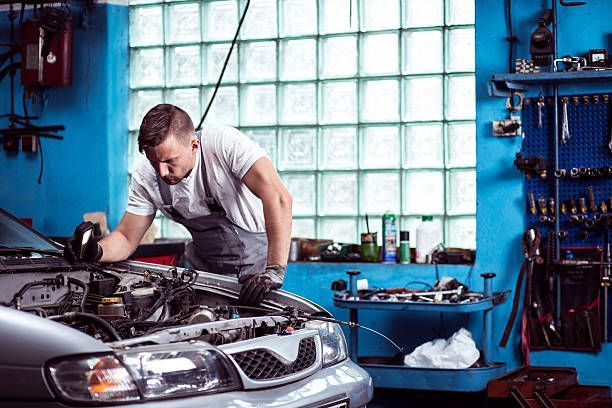
Handling car upkeep can be tough with a busy schedule. Between your job, family needs, and running errands, spending tim...
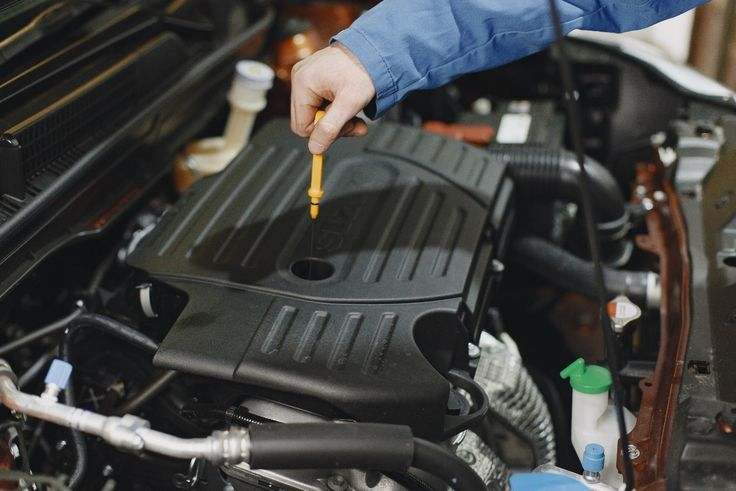
Driving in the UAE isn't easy. The high temperatures, constant dust, and long drives can take a toll on your car. Modern...
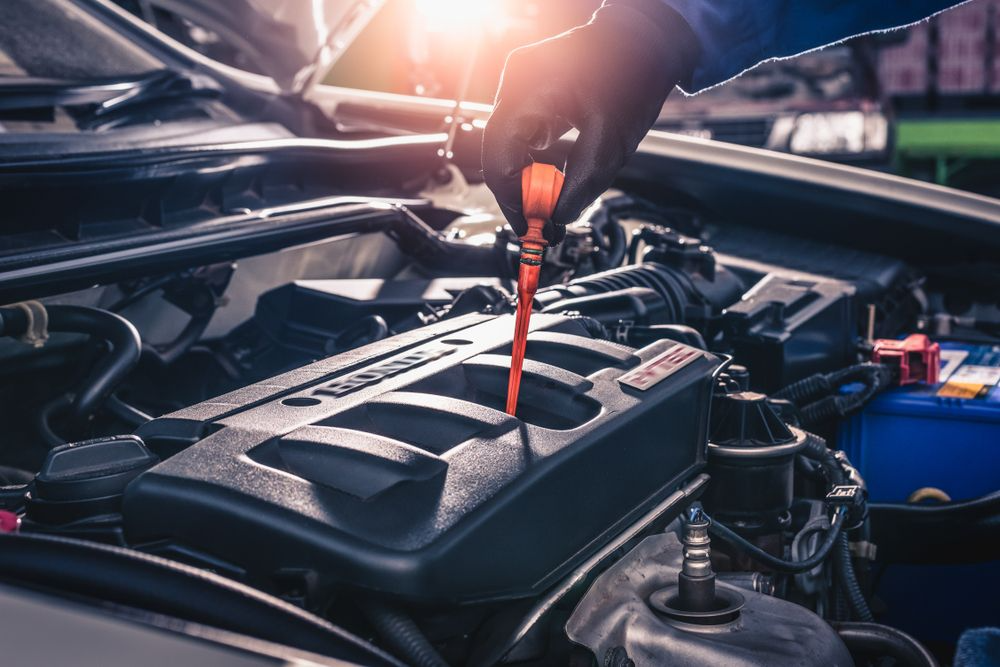
Cars in the UAE deal with harsh conditions. They endure extreme heat, frequent sandstorms, busy traffic, and long trips ...
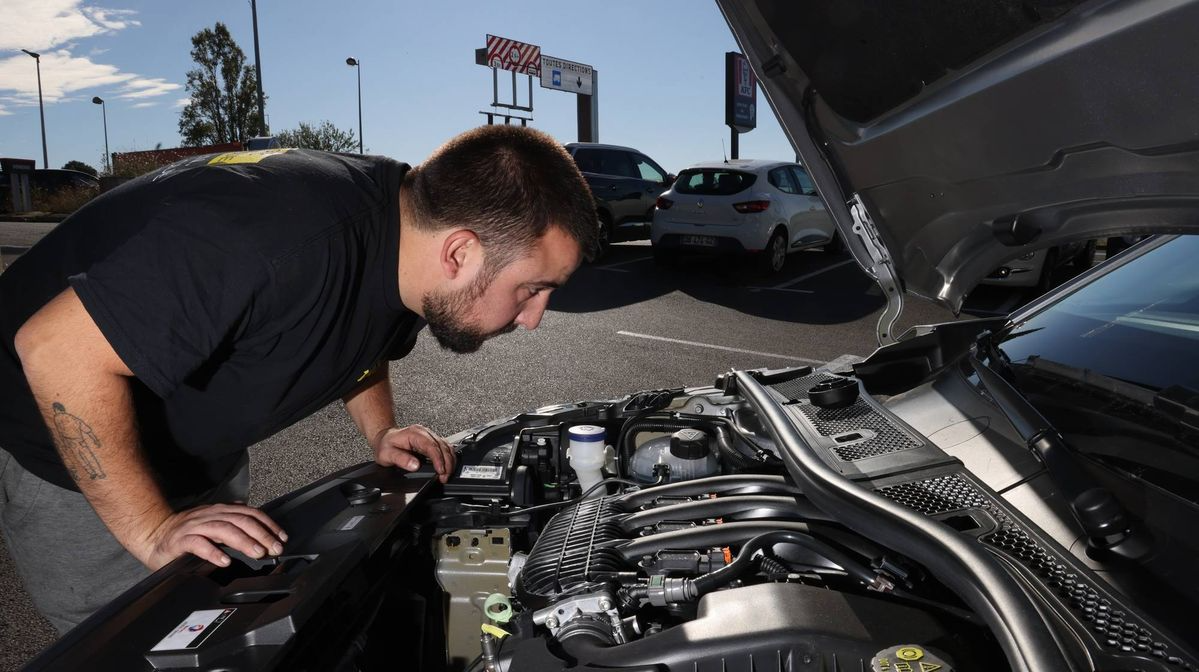
Driving in the UAE's heat isn't easy, but few things are worse than your vehicle overheating while you're stuck in traff...
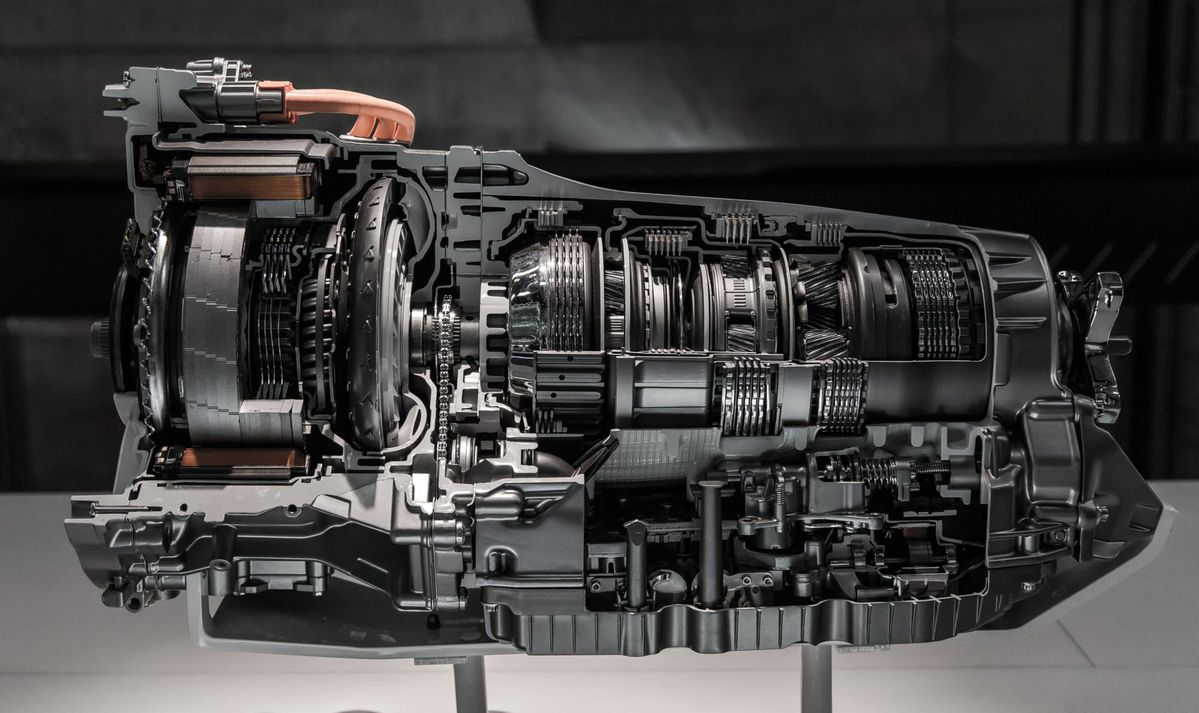
Your car's transmission plays a big role in how it runs. It links the engine to the wheels so you can drive at all speed...

Bentley represents British engineering at its finest showcasing luxury, power, and detailed craftsmanship. Still, like a...

The Audi Q8 combines strong performance, premium comfort and advanced technology, but its complex systems can develop pr...

Stay informed about the UAE’s latest car registration and ownership laws. From digital ownership transfers to mandator...


 Call Us
whatsapp
Call Us
whatsapp
 +971
+971
