As the UAE National Day approaches, Service My Car is offering exciting deals for car owners across the UAE. From Novemb...

HomeBlog What Does “Inflate Tyres and Set TPW” Mean on a Car?

Offer Applicable to Dubai & Abu Dhabi Customers
Additional Charges Applicable to other Emirates
If your car displays “Inflate Tyres and Set TPW,” it usually means the tyre-pressure system has detected low pressure in one or more tyres. Check all four tyres when they are cold, inflate them to the manufacturer’s recommended pressure, and then reset the tyre-pressure reference value. If a tyre is damaged or punctured, have it inspected or repaired before resetting the system.
Understanding this warning can help you identify a potential flat tyre, pressure loss or other tyre problem before it becomes more serious. It is important to correct the underlying issue rather than simply resetting the warning and continuing to drive.
TPW is associated with the tyre-pressure warning/reference system on certain vehicles, particularly Renault models. In this context, “Set TPW” refers to resetting or reinitialising the system’s reference value for tyre pressure.
This is important because the system needs a correct pressure reference after you inflate or adjust the tyres. Renault owner information explains that the TPW reference should be reset after tyre pressure has been adjusted, after changing a wheel, or when the recommended pressure needs to be changed for different loading or driving conditions.
So, if you are searching for “TPW meaning car,” “what is TPW in car,” or “what does TPW mean on a car,” the simple answer is:
TPW relates to the tyre-pressure reference/reset function. “Set TPW” means the tyre-pressure monitoring reference needs to be initialised or reset.
It should not be confused with the vehicle's maximum load or weight rating.
The dashboard message “Inflate Tyres and Set TPW” is a warning that the vehicle has detected a tyre-pressure problem.
Depending on the vehicle, the message can indicate that at least one tyre has lost pressure or may be flat or punctured. Renault's owner manuals specifically state that this warning can indicate a deflated or punctured tyre.
The correct response is not simply to reset the warning.
First:
A reset cannot repair a tyre that is losing air.
Tyres are the only part of your vehicle that directly contact the road, so their condition and inflation pressure have a major effect on driving.
Incorrect tyre pressure can affect:
Underinflated tyres generally create greater rolling resistance and can generate additional heat. Overinflation can reduce the tyre's contact area with the road and contribute to uneven wear.
The correct pressure is therefore more important than simply putting “some air” into the tyres.
Do not guess the pressure based on the number printed on the tyre sidewall.
The recommended cold tyre pressure is normally listed on the vehicle's:
The correct pressure can vary according to the vehicle, tyre specification and loading conditions.
Also Read - Tyre Expiry in the UAE: Check Dates, Stay Safe, Avoid Fines
| Possible reason |
What it means |
What you should do |
|
Low tyre pressure |
One or more tyres have lost air |
Check and inflate the tyres |
|
Puncture |
A tyre may be leaking because of damage |
Inspect and repair or replace it |
| Recent tyre inflation |
The pressure was changed |
Check all tyres and reset the reference |
|
Wheel or tyre change |
The system may need a new pressure reference |
Follow the vehicle's reset procedure |
|
Change in vehicle load |
Recommended pressure may differ for certain conditions |
Check the owner's manual |
|
Incorrect TPW reset |
The system may not have learned the correct reference |
Recheck pressure and initialise again |
|
System fault |
The TPW system may not be operating correctly |
Have the vehicle inspected |
The exact procedure depends on the vehicle model, so the owner's manual should always take priority.
On some Renault vehicles, the procedure involves switching the ignition on, selecting the “TYRES: SET TPW” function using the vehicle controls and holding the relevant button for approximately three seconds. The display may then show “SET TPW LAUNCHED.” The system can take a few minutes of driving to complete its reinitialisation.
The important sequence is:
Check tyre pressure → Correct the pressure → Reset TPW → Drive and monitor the warning.
Do not reset the system first and assume the tyres are correctly inflated.
It depends on the condition of the tyres.
If the warning appears, you should check the tyres as soon as it is safe to do so. Driving for an extended period with significantly low tyre pressure can affect handling, braking and tyre condition.
If a tyre is visibly flat, severely damaged or punctured, do not continue driving on it unless the vehicle and tyre manufacturer's instructions specifically allow it.
Also remember that a tyre-pressure warning system is an aid, not a replacement for regular tyre checks. Renault advises checking tyre pressures regularly, including the spare where applicable.
These terms are related but should not automatically be treated as identical.
|
Term |
Meaning |
Main purpose |
|
TPW |
Tyre-pressure warning/reference system terminology used by some manufacturers |
Warns about pressure loss and provides a pressure reference/reset function |
|
TPMS |
Tyre Pressure Monitoring System |
Monitors tyre pressure and alerts the driver when pressure is too low |
|
Tyre pressure |
Actual air pressure inside the tyre |
Keeps the tyre operating within the manufacturer's recommended range |
| TPW reset |
Reinitialisation of the tyre-pressure reference |
Helps the system recognise the corrected pressure as its reference |
The terminology can vary between manufacturers and vehicle generations. Therefore, the vehicle owner's manual is the best source for the exact meaning and reset procedure.
If you inflate the tyres and reset TPW but the warning returns, do not repeatedly reset the system without investigating the cause.
A recurring warning can indicate:
A slow puncture is particularly easy to miss because the tyre may look normal while gradually losing air.
If the pressure keeps dropping in the same tyre, have the tyre, valve and wheel checked by a qualified technician.
Also Read: Top 5 Tyre Brands for Performance and Safety for UAE Drivers
Good tyre maintenance is simple but should be consistent.
Check tyre pressure when the tyres are cold and use the vehicle manufacturer's recommended figure.
Look for cuts, cracks, bulges, nails, screws and other visible damage.
A quick pressure and condition check before a highway trip can help identify problems before you are far from home.
Uneven tread wear can indicate incorrect pressure, poor wheel alignment or other suspension-related problems.
If the same warning keeps appearing, find the reason rather than repeatedly resetting it.
If the “Inflate Tyres and Set TPW” warning does not disappear after correcting the tyre pressure, the next step should be to identify why the tyre is losing air. A slow puncture, damaged valve, nail or tyre damage can cause the pressure to drop again even after inflation.
If the tyre is flat or losing pressure rapidly, avoid driving on it and consider roadside assistance to get the vehicle checked safely. Continuing to drive on a severely underinflated or damaged tyre can cause further tyre damage and may affect vehicle control.
For a tyre that can still be safely driven to a workshop, a reputable car tyre shop can check the tyre for punctures, inspect the valve and confirm whether it can be repaired or needs replacement. If the tyre pressure is correct but you notice uneven tread wear, a wheel alignment inspection may also be useful, as alignment issues can contribute to uneven tyre wear.
The important point is to fix the cause of the warning rather than simply resetting the TPW system. Once the tyre issue has been addressed and the pressures are correctly set, the TPW reference can be reset according to the vehicle manufacturer's instructions.
If your dashboard says “Inflate Tyres and Set TPW,” don't treat it as a message that can simply be cleared. First, check all four tyres when cold, correct the pressure according to the manufacturer's recommendation, inspect for punctures or damage, and then reset the tyre-pressure reference system if required. If the warning returns, the vehicle should be checked rather than repeatedly resetting the system.
For drivers who need professional help with tyre pressure, puncture checks or other vehicle maintenance, ServiceMyCar can help arrange the appropriate inspection or car service. Addressing a tyre-pressure warning promptly can help prevent unnecessary tyre damage, improve driving safety and keep your vehicle road-ready on UAE roads.
TPW refers to the tyre-pressure warning/reference function used on certain vehicles. “Set TPW” generally means the tyre-pressure reference value needs to be initialised or reset.
It means the vehicle has detected a tyre-pressure problem and is asking you to check and correct the tyre pressure before resetting the tyre-pressure reference system. It can indicate a deflated or punctured tyre.
You should check the tyres as soon as it is safe. If a tyre is flat, badly damaged or punctured, avoid driving on it and arrange appropriate assistance.
On vehicles that use this system, yes. The reference value may need to be reinitialised after tyre pressure has been adjusted. The exact procedure varies by vehicle.
Not necessarily. The warning can indicate low tyre pressure or a puncture. You need to physically inspect the tyre and check its pressure to determine the cause.
Check the owner's manual or the tyre-pressure information label, commonly found on the driver's door frame or another manufacturer-specified location.
A recurring warning can be caused by a slow puncture, damaged valve, incorrect pressure, incorrect reset or a fault in the monitoring system. The tyre should be inspected if pressure continues to fall.
They are closely related tyre-pressure terms, but the exact terminology and operation depend on the vehicle manufacturer and model. Always follow the instructions for your specific vehicle.


As the UAE National Day approaches, Service My Car is offering exciting deals for car owners across the UAE. From Novemb...

Diwali, the festival of lights, is all about joy, celebration, and giving. This year, why not celebrate by taking care o...

Handling car upkeep can be tough with a busy schedule. Between your job, family needs, and running errands, spending tim...
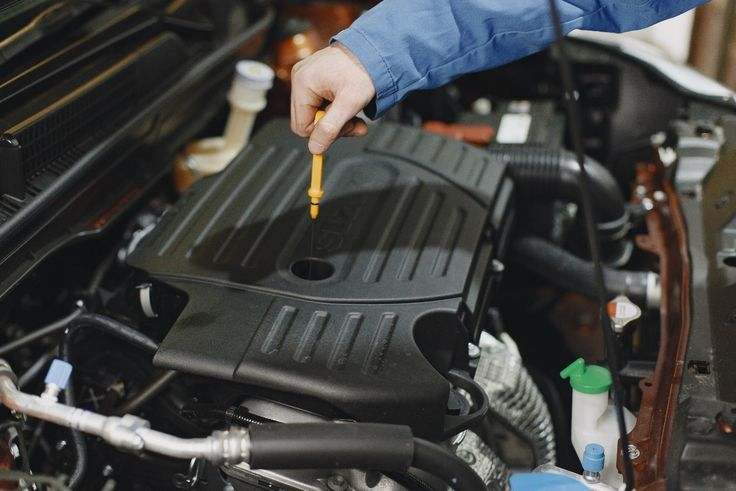
Driving in the UAE isn't easy. The high temperatures, constant dust, and long drives can take a toll on your car. Modern...
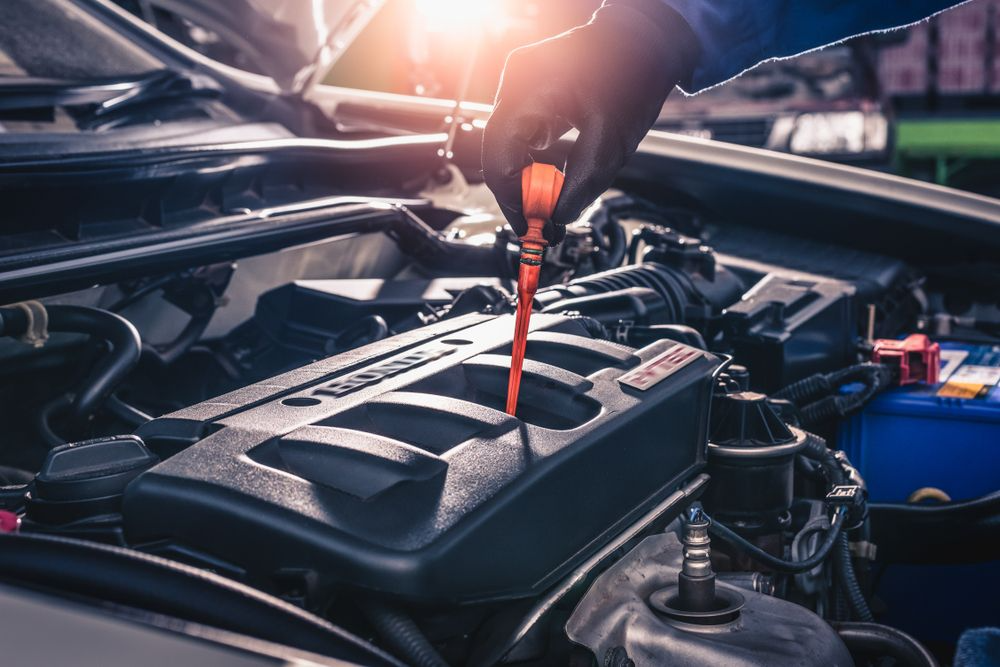
Cars in the UAE deal with harsh conditions. They endure extreme heat, frequent sandstorms, busy traffic, and long trips ...
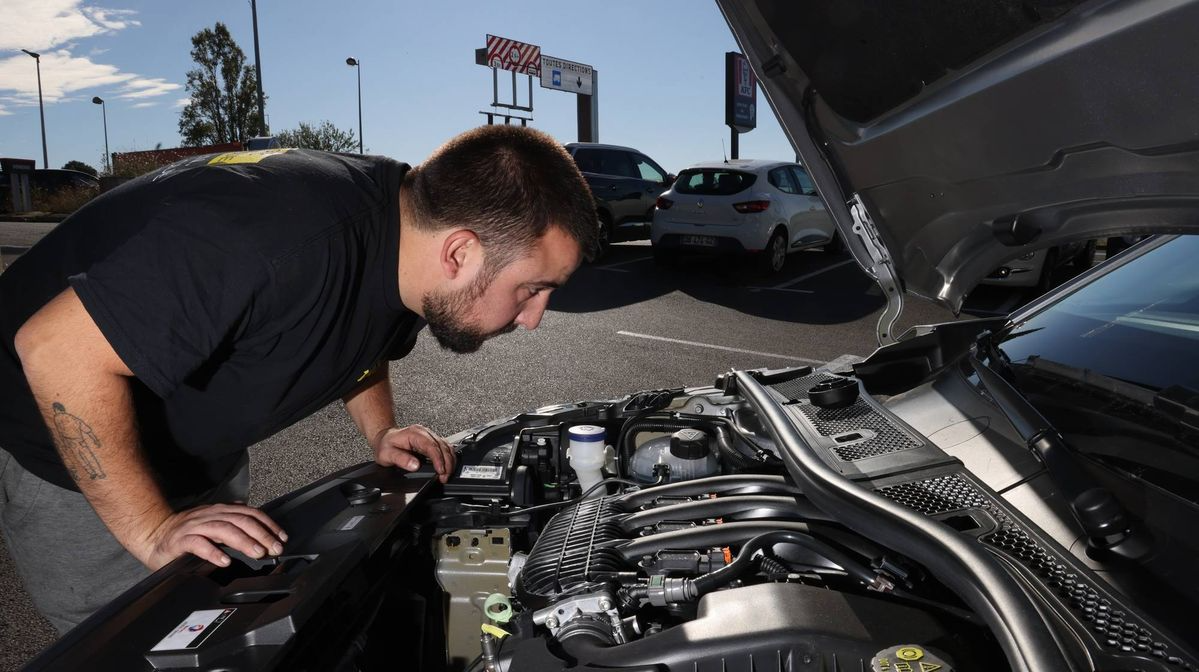
Driving in the UAE's heat isn't easy, but few things are worse than your vehicle overheating while you're stuck in traff...
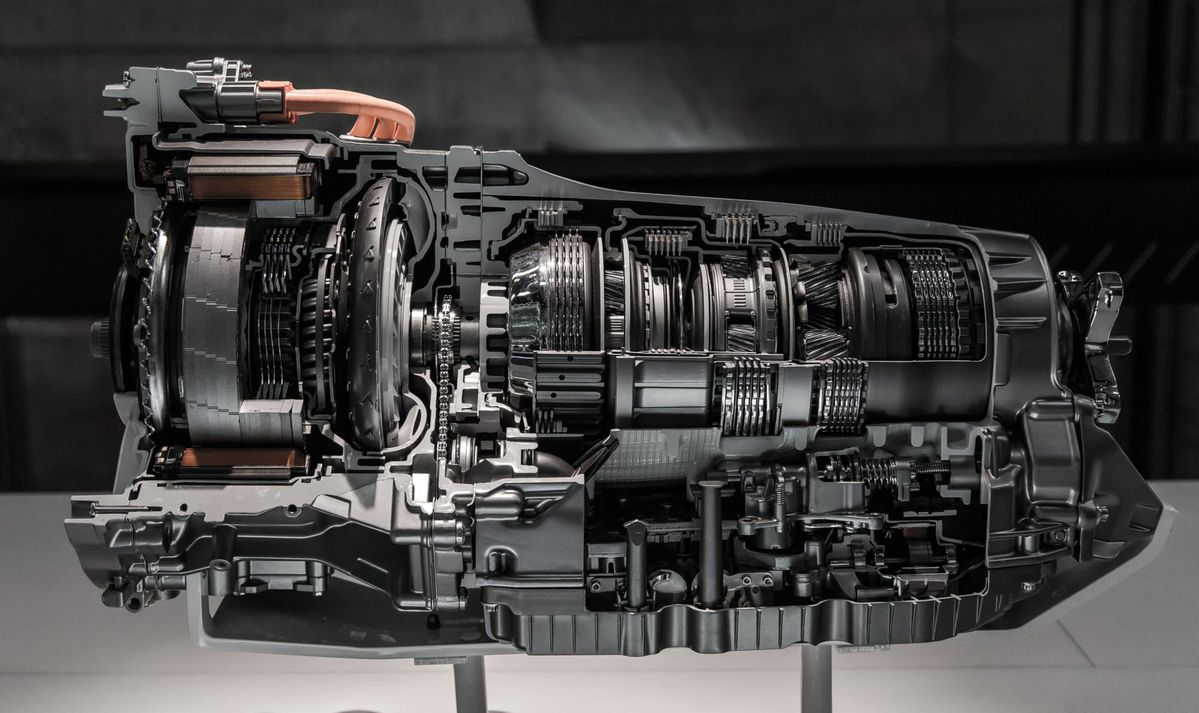
Your car's transmission plays a big role in how it runs. It links the engine to the wheels so you can drive at all speed...

Bentley represents British engineering at its finest showcasing luxury, power, and detailed craftsmanship. Still, like a...

The Audi Q8 combines strong performance, premium comfort and advanced technology, but its complex systems can develop pr...

Stay informed about the UAE’s latest car registration and ownership laws. From digital ownership transfers to mandator...


 Call Us
whatsapp
Call Us
whatsapp
 +971
+971
